
Table of contents
Overtourism has stopped being a buzzword and turned into a policy headache, from Venice’s day-tripper fees to Amsterdam’s push to curb party tourism, and for travelers it has become a practical problem too: higher prices, longer queues, and the creeping sense of experiencing a place through a crowd. At the same time, airlines have widened route maps, regional rail has improved across parts of Europe, and remote work has stretched the meaning of a “trip”, creating a moment where choosing lesser-known destinations is no longer a compromise, but a way to travel better and see more.
When crowds rewrite the itinerary
Ask anyone who has tried to visit a headline destination in peak season and the story is familiar: timed tickets sell out weeks ahead, accommodation rates spike, and the day becomes a choreography of avoiding bottlenecks rather than following curiosity. This is not only an inconvenience; it changes what travel feels like. The central square becomes a transit corridor, the museum visit becomes a race against entry slots, and restaurants adjust to volume, not to craft. In practice, the traveler ends up consuming an “itinerary product”, and the destination’s most photogenic corners turn into backdrops rather than places.
Governments and city halls have been responding with a range of measures that signal how structural the pressure has become. Venice has introduced a fee for certain day visitors on peak dates, a move designed to manage flows rather than to invite more of them, and elsewhere in Europe local authorities have debated limits on short-term rentals and stricter rules for tour groups. The message between the lines is clear: the classic shortlist of “must-sees” is reaching capacity. For travelers, that makes alternative choices more attractive because they are often more workable, with fewer entry constraints, more flexible dining options, and a greater chance of stumbling upon moments that are not pre-scripted.
This shift is also financial. Popular hubs now regularly command rates that would have seemed exceptional a decade ago, particularly in summer and around major events, and the hidden costs add up quickly: premium transfers, surge-priced taxis, and the temptation to pay for skip-the-line packages simply to protect the day. By contrast, a secondary city or a less-hyped region can deliver the same core ingredients, architecture, food, nightlife, museums, nature, often at a lower base cost and with a far higher “time value”: less time spent waiting, more time spent doing. That equation is increasingly persuasive, especially for families and travelers stitching together multi-stop trips.
The quiet places deliver louder memories
Isn’t it the unexpected detail that stays? A conversation with a shop owner who has time to talk, a local festival you did not plan around, a viewpoint where you can actually hear the wind. Lesser-known destinations tend to create space for that, not because they are “untouched”, a misleading word in Europe, but because the experience is not optimized for mass throughput. The rhythm is different; you can enter a cathedral without a human tide pressing behind you, you can try a restaurant without booking two weeks in advance, and you can change plans mid-afternoon without fearing you have “wasted” a slot you paid for.
There is also a cultural argument, and it is not moralizing; it is practical. When a city’s economy becomes heavily dependent on large volumes of visitors concentrated in a few streets, the offer narrows, and local life gets pushed outward. In smaller cities or in districts away from the postcard center, you often encounter a broader mix of everyday venues, neighborhood markets, and cultural spaces that cater first to residents and only then to visitors. For the traveler, that tends to produce a more textured story, one built from small scenes rather than from a checklist of icons.
In Europe, “lesser-known” can mean many things, and it does not require going remote. It can mean choosing a different base, then day-tripping to marquee sights with better timing, or it can mean swapping one city for another that offers similar assets. Instead of the most saturated historic centers, travelers are rediscovering river towns, industrial heritage cities with strong design scenes, and mid-size capitals where museums, music venues, and food markets are packed into walkable distances, but without the feeling of constant congestion. The point is not to avoid famous places altogether; it is to rebalance the trip so that the famous moments do not dominate the experience.
Brussels, the underplayed capital at Europe’s core
What if the smartest “hidden” destination is hiding in plain sight? Brussels is often treated as a transit point, a place you pass through on the way to Bruges or Paris, yet it sits at the intersection of languages, institutions, and cultures, and that mix shows up on the street in ways that reward unhurried travel. Art Nouveau façades stand a few blocks from modern EU buildings, neighborhoods shift quickly from elegant to gritty to bohemian, and the food scene is far more varied than the stereotypes of waffles and fries suggest, even if those classics still deserve their moment.
The city’s strength is not a single monument; it is density. The historic center provides the expected drama, but the better stories often start when you move outward: the comic-strip murals that turn ordinary walls into a walking exhibition, the design shops and cafés that cluster in certain quarters, and the breweries that signal Belgium’s beer culture is as much about local identity as it is about export brands. Museums range from grand institutions to smaller collections that feel curated rather than crowded, and because the city is compact, you can do a great deal on foot or with short public-transport hops, which is not a trivial advantage when you are trying to avoid losing half a day to logistics.
Brussels also works as a base for “distributed travel”, a way of seeing more without constantly changing hotels. Rail connections are strong, and the geography is forgiving: you can pair a Brussels stay with day trips that cover medieval towns, coastal stops, or other Belgian cities, while keeping the evenings for local restaurants and bars rather than for packing and check-ins. For travelers who want structure without rigidity, practical planning resources can make the difference between a generic visit and a stitched-together, neighborhood-level experience. Tools like https://www.brussels-trip.com/ can help map itineraries, highlights, and day-trip options in a way that fits real time constraints, not just aspirational lists.
How to travel off-radar without missing out
Forget the fear of “getting it wrong”. The most common mistake when chasing lesser-known destinations is treating them like famous ones, trying to compress too much into too little time, or expecting the same kind of spectacle on every corner. Off-radar travel rewards different habits: longer meals, slower mornings, and a willingness to follow a lead, a poster for an exhibition, a recommendation from a bartender, a park that looks inviting. When the destination is not over-programmed for visitors, your own choices matter more, and that is precisely what makes the trip feel personal.
Timing, more than geography, often delivers the biggest gains. Traveling just outside the peak window can cut costs sharply and unlock better availability, and in many European cities a shoulder-season weekend offers the same cultural calendar, with fewer queues and more relaxed service. Another strategy is to anchor the trip around one or two “big” experiences, then let the rest remain flexible, because the pleasure of a less-saturated place is the ability to improvise. Build in buffer time, and you will end up using it, for a market you did not expect, a neighborhood walk that turns into an afternoon, a museum you enter simply because the line is short.
Budget planning matters too, and it is easier when the destination is not priced at a global-premium level. Start with the fixed costs, accommodation, transport, and any timed attractions, then decide where you want to spend for quality: a great meal, a show, a guided tour that adds context. In less-hyped cities, guided experiences can be particularly valuable because they are often led by locals who are not performing for mass crowds, and the groups tend to be smaller, which makes questions and spontaneity possible. Finally, make the trip legible to yourself: keep your map simple, cluster visits by neighborhood, and leave room for weather, because a rainy day can become a museum day without derailing everything.
Your next trip, planned like a local
To make lesser-known destinations work, book key transport early, and keep the daily schedule light enough to adapt. Set a clear budget for one “splurge” experience, then rely on museums, parks, and neighborhoods for the rest. Check city passes and rail deals where relevant, and look up local discounts for students or under-26 travelers.
Similar
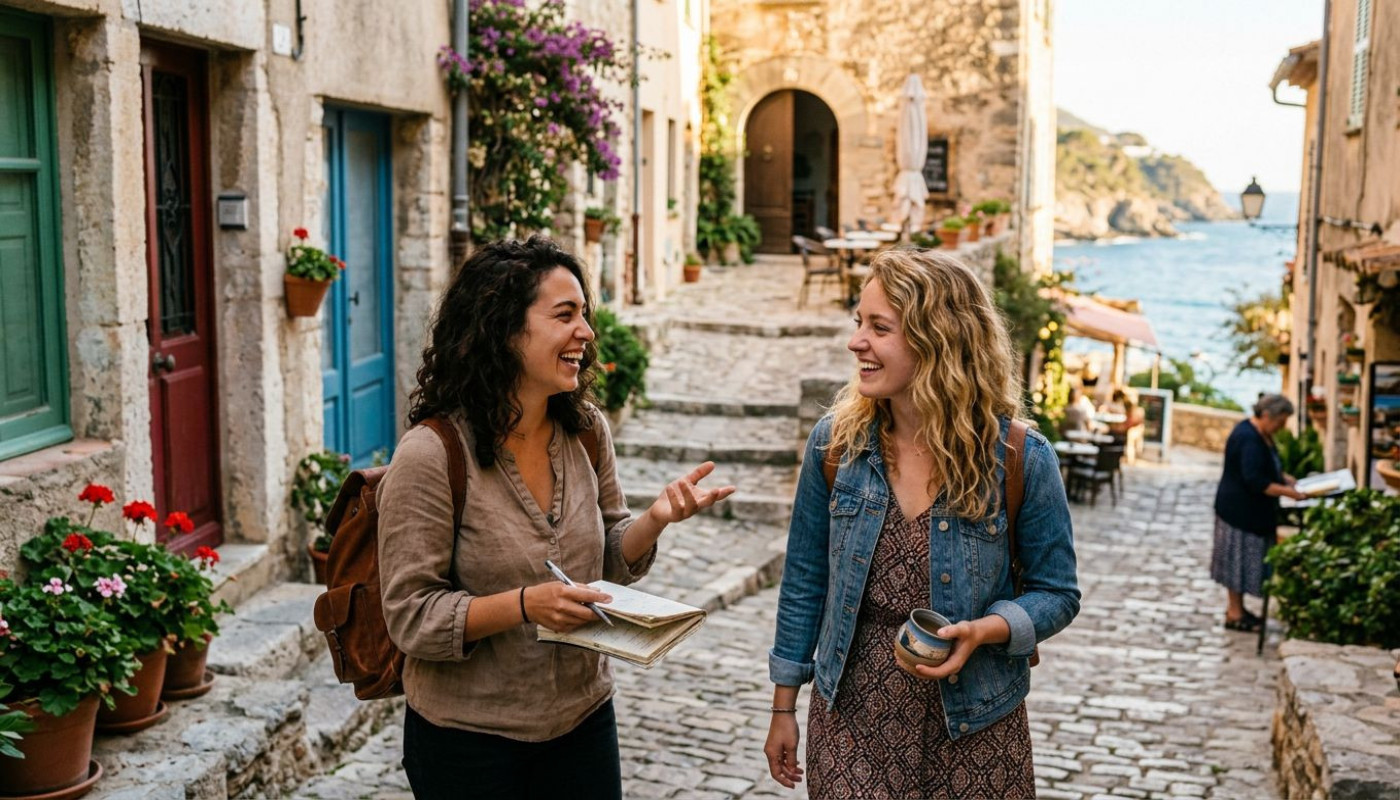
From Local Legends To Hidden Gems: Stories That Shape Unforgettable Journeys
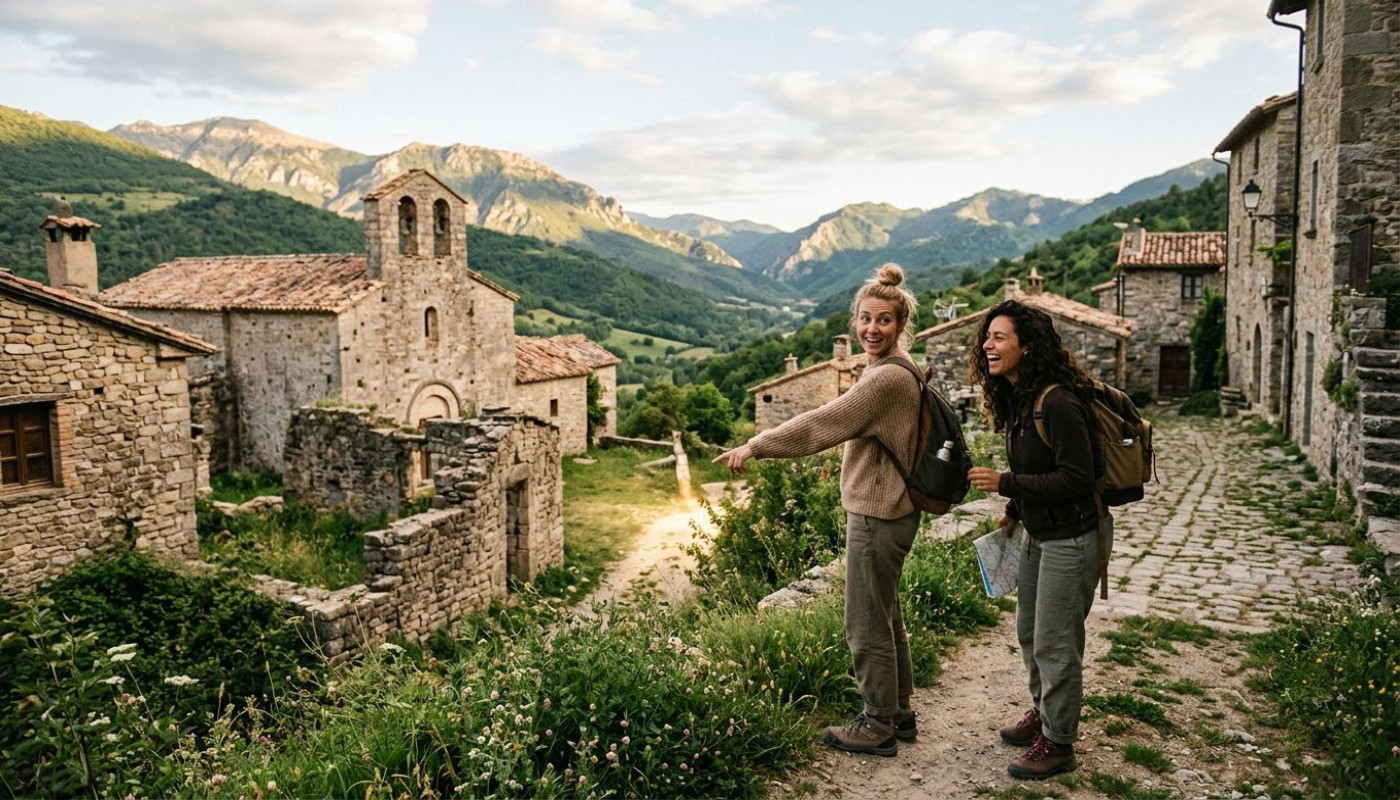
Rediscovering Hidden Gems: Why Offbeat Destinations Steal The Show

Can Lesser-known Tours Rival Classic Attractions For Authentic Experiences?