Table of contents
Overtourism is no longer a niche concern, it is reshaping entire travel maps, from Venice’s day-tripper fees to caps on short-term rentals in parts of Europe, and it is pushing curious travelers to look beyond headline cities. The result is a quieter boom in “offbeat” destinations, places with strong identity, manageable scale, and experiences that feel earned rather than packaged. These hidden gems are not just cheaper alternatives; they often deliver richer encounters, and they can spread tourism revenue more fairly, if local infrastructure keeps pace.
When crowds take over, curiosity migrates
Who still wants to queue for wonder? In 2024 and 2025, the backlash against congestion has moved from social media complaints to policy, with destinations experimenting with reservation systems, visitor caps, and pricing tools to keep city centers livable. Venice’s paid day-entry scheme, rolled out as a pilot and closely watched across the continent, signaled a new era: access to iconic places can come with a gate, a calendar, and a cost. Elsewhere, authorities have tightened regulations around short-term rentals, and cruise-ship restrictions have become a recurring lever, especially in fragile historic ports.
This climate changes traveler behavior in practical ways. The modern city break is still popular, but more people are building itineraries around shoulder season, smaller towns, and nature-rich regions that offer similar “wow” moments without the friction. Industry data backs the shift: Skyscanner’s 2025 Travel Trends report pointed to “destination dupes” as a mainstream habit, while Expedia’s 2025 Travel Trends emphasized a move toward calmer, more experience-led trips, where travelers prioritize atmosphere and story over a checklist of monuments. In parallel, UN Tourism has repeatedly highlighted how concentration in a small number of hotspots strains housing, transport, and heritage, and how dispersing visitors can help, provided communities are not overwhelmed by sudden growth.
Offbeat does not mean obscure for the sake of it, and it rarely means underdeveloped. It means the traveler is willing to trade instant recognition for texture: a food tradition that survives outside “Instagram districts”, a coastline still worked by fishermen, a mountain route where the loudest sound is weather. That trade is increasingly rational; fewer crowds mean more time on the ground, fewer bottlenecks, and often better value, because you spend less on scarcity pricing and more on local businesses that rely on year-round custom.
The new luxury is space, not status
Silence sells now. In travel, “luxury” has been redefined by what money cannot easily buy in overcrowded places: breathing room, spontaneity, and a sense of being present rather than processed. A table without a two-week wait, a swim without a floating barrier of selfie-sticks, a viewpoint where you can actually stop, think, and take in the landscape, these details feel like privileges in 2026, and they are exactly what lesser-known destinations can still offer.
This is also where offbeat destinations outperform big-name rivals on a simple metric: time. In the world’s most visited cities, a large share of your day can disappear into logistics, whether it is timed museum tickets, airport transfers stretched by congestion, or long commutes to avoid high hotel prices in the center. Smaller destinations often compress the friction. You can land and be hiking within hours, or go from old-town café to sea-kayak launch in minutes, and that “density of experience” becomes the real premium.
There is a cultural dimension too. In places that are not built around mass tourism, interactions can feel less transactional. Restaurants are more likely to be filled with locals on a weekday, and festivals are more likely to exist primarily for residents, with visitors invited rather than catered to. Travelers who say they want authenticity rarely mean a staged performance; they mean the sensation that a place has a life beyond them, and that their presence is a footnote, not the main event.
One Mediterranean example often overlooked in mainstream itineraries is Montenegro, a country where dramatic geography, coastal heritage, and mountain wilderness sit within short driving distances. The Bay of Kotor has long been the headline, yet the real appeal for offbeat travelers is the range: stone villages in the interior, national parks with high-altitude trails, small wineries, and a coastline where you can still find calm coves outside peak hours. Planning matters, and for travelers mapping a route beyond the obvious, www.montenegro-spirit.com can serve as a practical starting point for ideas that go past the standard postcard stops.
Small places, big stories: the hidden-gem advantage
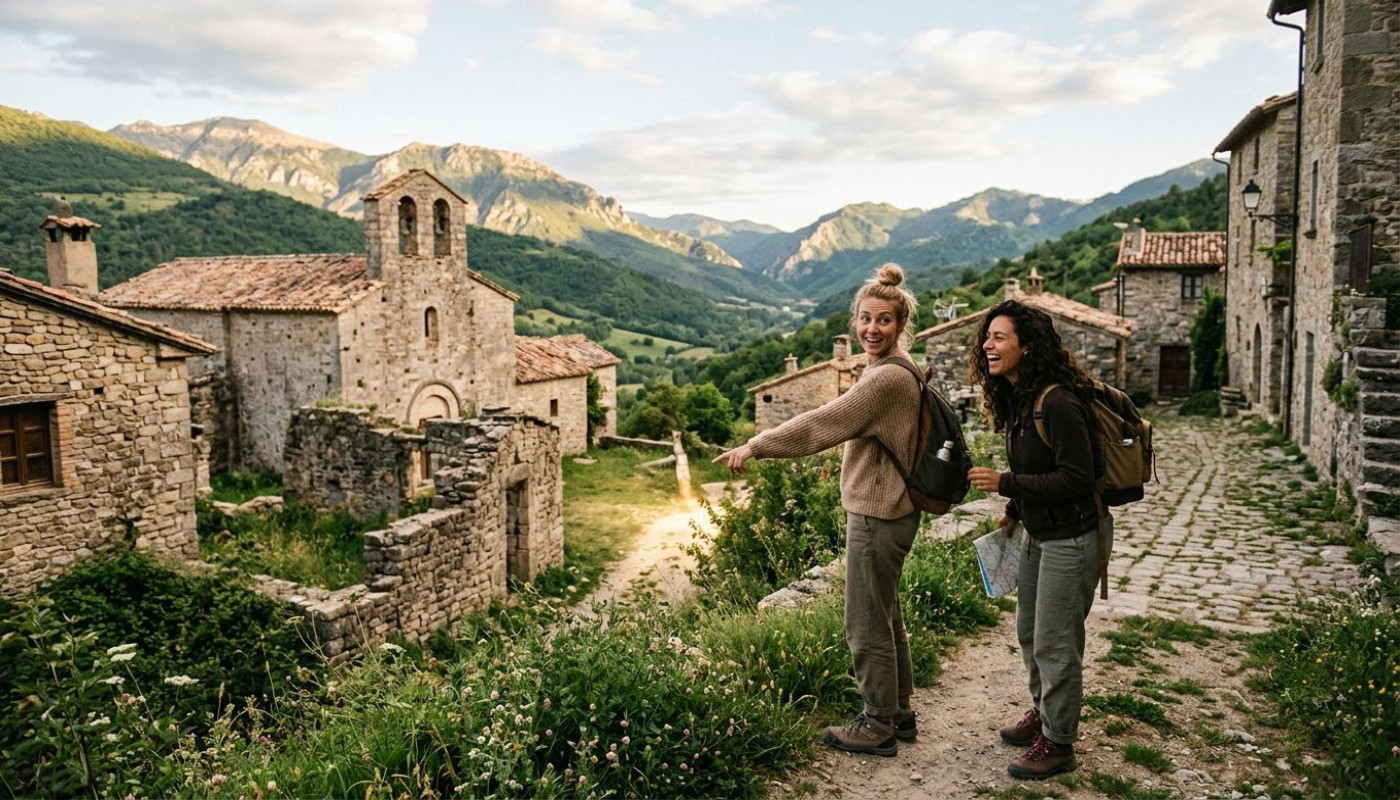
Every place has a narrative, but not every place has the volume turned up. Hidden gems tend to reward the kind of traveler who listens: the history told by street layouts, the shifting borders encoded in cuisine, the pride of a craft that has outlasted fashion. In major capitals, those stories can be drowned out by the noise of global sameness, with identical retail chains and identical “must-do” tours flattening the edges. In smaller destinations, the contours stay sharper.
That advantage is not romanticism; it is a matter of scale. When tourism is not the sole economic engine, communities have more space to set boundaries, and visitors can more easily see how people actually live. It can be as simple as a morning market that still exists for weekly shopping, not for photos, or a public beach where families, retirees, and teenagers share the same strip of shoreline. For many travelers, these scenes are the memorable ones, because they are not designed to impress, they simply are.
Hidden gems also encourage slower itineraries, which is where meaningful travel often begins. Instead of rushing between “top ten” attractions, you might spend half a day following a coastal path, then stop for a late lunch because the view, the conversation, and the pace all feel right. This kind of trip tends to generate more local spending in proportion to the visitor footprint, because the money goes to small operators, family-run restaurants, and guides who work within the community, rather than to large-scale attractions built for turnover.
The challenge is that hidden gems can become victims of their own success, especially when viral content sends thousands of people to a single viewpoint or beach that was never built for crowds. The best offbeat travel, in 2026, is mindful travel: choose lesser-known regions, not just a single “secret” spot, and spread your days across several villages or valleys. This approach protects the places you came to see, and it protects your own experience from becoming yet another queue.
How to travel offbeat, without getting lost
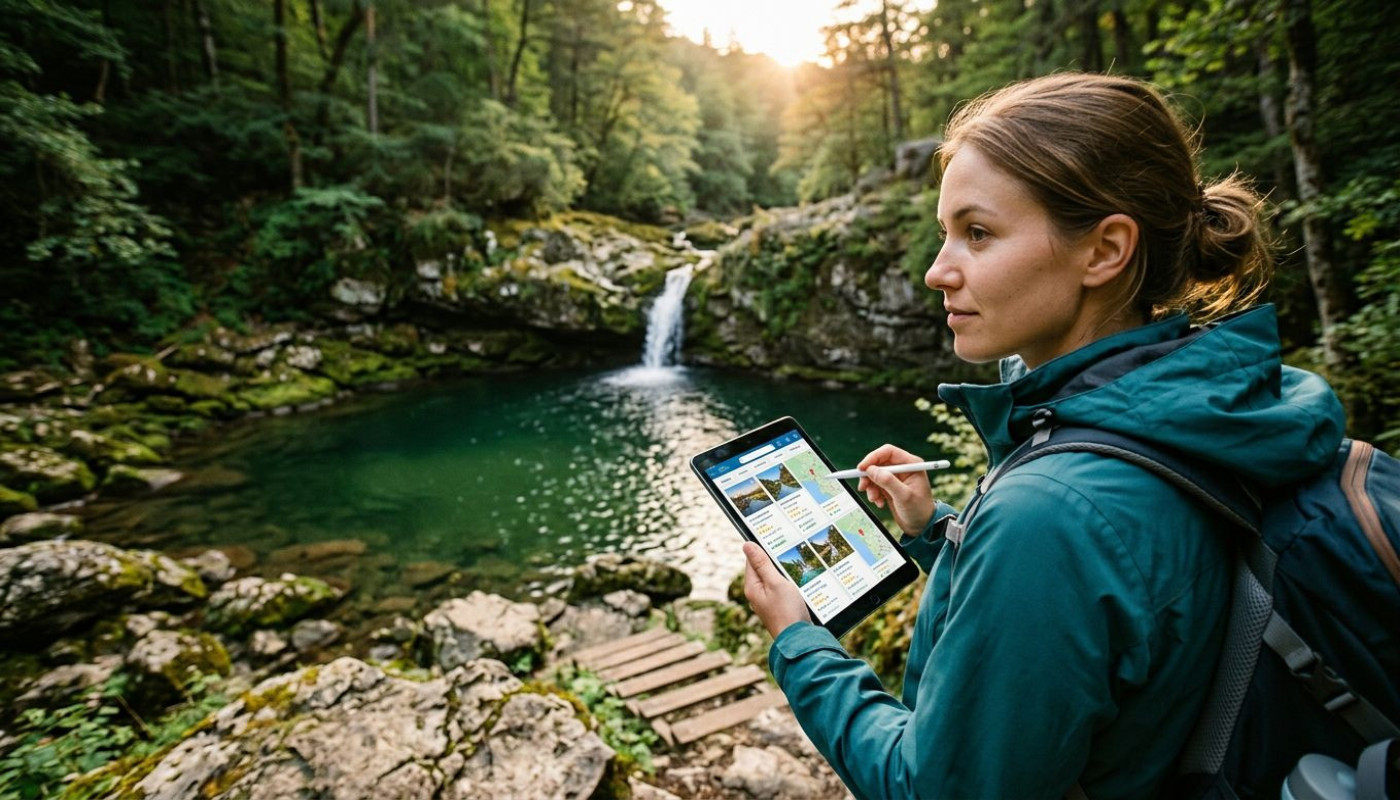
Spontaneity is great, but planning wins. Offbeat destinations can be easier in some ways and trickier in others, because transport schedules may be less frequent, accommodation can be limited in peak periods, and weather can shape access more dramatically, especially in mountainous regions. The sweet spot is “structured flexibility”: lock in the essentials, then leave room to improvise once you arrive.
Start with timing, because it does more than any hack. Shoulder seasons typically deliver the same landscapes with fewer crowds and better prices, while preserving enough activity to keep restaurants and services open. In many European regions, late spring and early autumn are ideal, with warmer water on the coast after summer, and clearer hiking conditions after peak heat. If you must travel in high season, shift your daily rhythm: early mornings and late afternoons can turn a busy place into a calm one, and you will often get better light, better photographs, and a more comfortable pace.
Then think in layers: base, day trips, and detours. Choose one or two bases that reduce constant packing, and use them to explore outward, mixing one “anchor” day with several lighter, curiosity-led excursions. Build in buffers for transport and weather, and treat them as part of the journey, not as failures. Offbeat travel shines when you can say yes to a local recommendation, a sudden change in conditions, or a road that looks interesting, without wrecking the entire plan.
Finally, budget honestly. Hidden gems are not automatically cheap; smaller supply can mean higher prices in boutique accommodation, and driving-heavy itineraries can add fuel, tolls, and parking. Counterbalance that with smarter choices: travel midweek when possible, book a few key nights early, and reserve guided experiences selectively, especially for activities where local expertise matters, such as canyoning, backcountry hikes, or heritage tours that unlock the context behind what you are seeing. The payoff is a trip that feels personal, and that is the true reason offbeat destinations steal the show.
Practical next steps before you book
Reserve early if you are traveling in July or August, and keep a second-choice option for accommodation, because smaller destinations can sell out faster than famous cities with endless hotel stock. Set a clear budget for transport, especially if you plan to rent a car, and check whether public transport timetables align with your itinerary. Look up any local or national tourism incentives, from regional passes to off-season discounts, and you will often stretch your spend while keeping the trip comfortably paced.
Similar
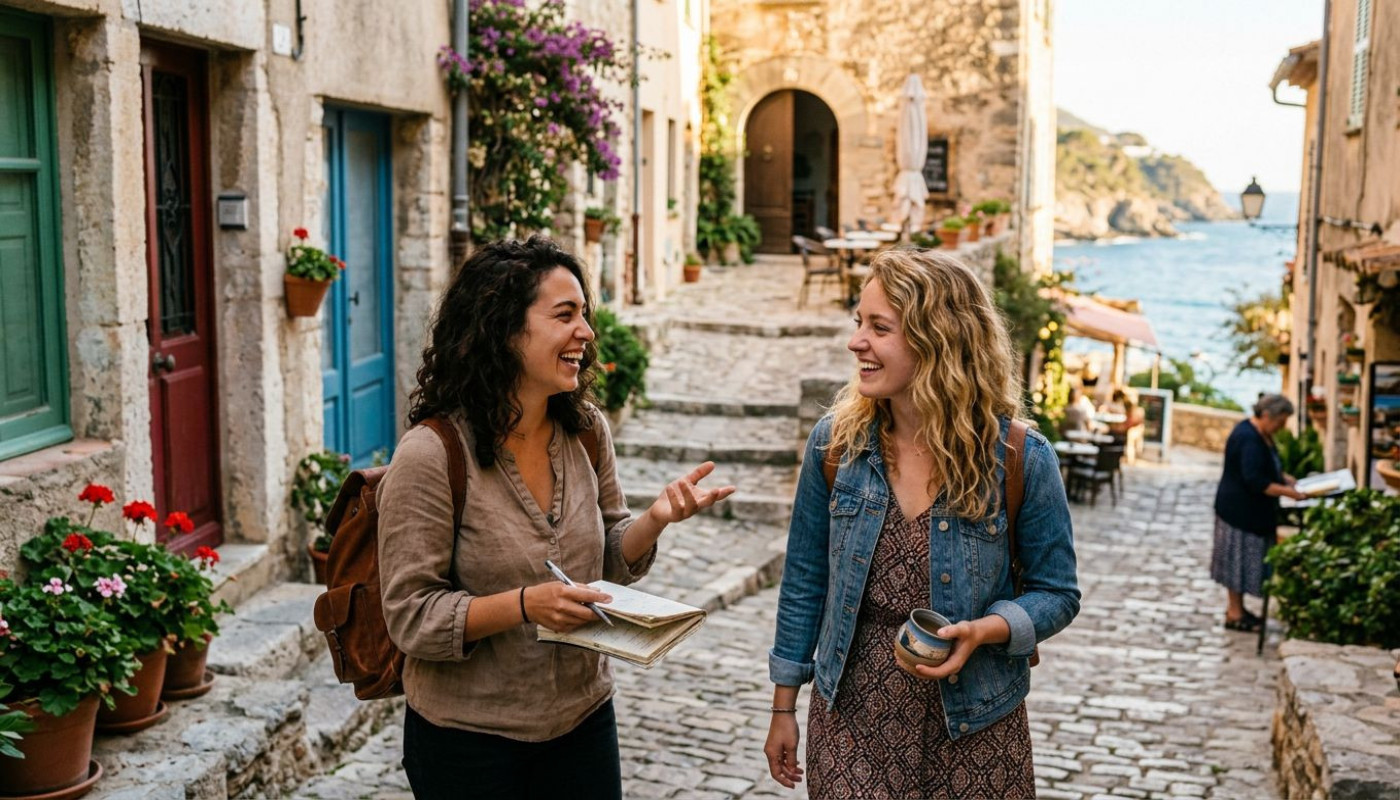
From Local Legends To Hidden Gems: Stories That Shape Unforgettable Journeys
Why Chasing Lesser-known Destinations Could Redefine Your Next Travel Story

Can Lesser-known Tours Rival Classic Attractions For Authentic Experiences?