Table of contents
When it comes to planning a trip or finding the perfect getaway, comparison tools have become an indispensable resource. Yet, a question often arises: can these digital assistants truly reveal the hidden gems and attractions that escape the average tourist’s eye? Delve deeper to uncover how technology is reshaping the discovery of lesser-known destinations, and what this means for your future travels.
Understanding comparison tools
Travel comparison tools have revolutionized the way travelers plan their journeys, offering an extensive array of digital tools designed to streamline and optimize user experience. These platforms function by aggregating vast amounts of travel-related data, often using data scraping techniques to collect pricing, availability, and user reviews from multiple booking platforms. Relying on sophisticated algorithmic recommendations, they help users quickly compare options for flights, hotels, and activities, presenting the most relevant deals and alternatives based on personalized filters and preferences. In essence, travel comparison tools rely heavily on user-generated content—such as ratings and feedback—to refine search results and increase transparency, giving travelers access to real-time insights and helping them make informed decisions.
The role of these digital tools in modern travel planning cannot be overstated, as they empower users to discover new destinations, hidden attractions, and exclusive deals that might otherwise remain unnoticed. According to travel technology analyst Laura Jensen, the integration of data scraping and advanced algorithms not only enhances the breadth of available options but also improves overall user experience by providing tailored suggestions based on individual travel histories and interests. By continuously updating their databases and leveraging collective user input, travel comparison platforms remain at the forefront of innovation, connecting travelers with both mainstream and lesser-known experiences worldwide.
How hidden attractions are surfaced
When using comparison tools for travel discovery, algorithms play a pivotal role in highlighting hidden gems and lesser-known local experiences. These recommendation systems often rely on techniques such as collaborative filtering, which analyzes patterns in user reviews and preferences to suggest attractions that are not necessarily the most popular but are highly rated by like-minded travelers. Off-the-beaten-path filters further refine these suggestions, allowing users to uncover attractions that would typically be overshadowed by mainstream destinations. Real-time data analysis contributes to this process by monitoring current trends, seasonal variations, and spikes in user interest, ensuring that recommendations remain fresh and relevant. Incorporating diverse data points, such as local feedback and recent visitor ratings, enhances the ability of these tools to surface unique travel opportunities. As Dr. Maya Patel, chief data scientist in travel analytics, observes, the integration of collaborative filtering and real-time insights is fundamentally changing the landscape of travel discovery, making it easier for explorers to connect with authentic local experiences through hidden gems endorsed by trusted user reviews.
Limitations of automated discovery
When utilizing comparison tools for travel planning, several boundaries emerge due to the inherent algorithm bias and travel limitations present in these platforms. Automated search relies heavily on data coverage, and the breadth or diversity of information is often dictated by what is available and popular, not necessarily what is unique or authentic. This reliance on travel trends can result in a filter bubble, where users are repeatedly exposed to the same mainstream options, leading to an echo chamber effect. Such environments can inadvertently suppress lesser-known, truly local experiences, as these platforms frequently prioritize attractions with higher engagement or commercial backing. The omission of hidden gems is compounded by potential biases in the algorithms, which may favor certain regions, attractions, or user demographics, further restricting the discovery process.
Given these challenges, the objectivity and depth of automated discovery remain questionable, especially when seeking off-the-beaten-path experiences. The risk is that travelers may unknowingly forgo exceptional destinations simply because they do not appear in the platform’s indexed data or align with prevailing travel trends. To foster a more nuanced perspective, inviting an expert in artificial intelligence ethics could provide insight into mitigating algorithm bias and expanding data coverage. Such expertise is vital for developing comparison tools that not only broaden travel possibilities but also ensure equitable and authentic exploration opportunities beyond the filter bubble created by automated search mechanisms.
The role of human curation
Editorial curation is gaining recognition as a powerful complement to automated comparison tools in travel planning. While algorithms sort options based on ratings and user data, they often lack the nuanced understanding provided by an expert guide or local insights. Curated travel recommendations by seasoned editors or local connoisseurs add an invaluable layer of context, highlighting hidden gems and authentic experiences often missed by automated systems. These human perspectives not only counteract the limitations of comparison engines but also ensure travelers are equipped with knowledge that algorithms may not surface, such as seasonal nuances or off-the-beaten-path attractions.
Senior travel editors emphasize that human input, particularly from those embedded in the destination, brings depth to the decision-making process. Local insights can illuminate why certain places resonate with residents or reveal stories behind attractions, providing a richer, more rewarding experience. While comparison tools efficiently aggregate choices, the editorial curation process sifts through these options, spotlighting those that capture the true spirit of a location. For example, a senior editor may select unique neighborhoods or cultural venues in a city like New York, offering perspectives not easily distilled from statistics alone.
Integrating curated travel advice, such as recommendations from local guides, enhances the ability to design meaningful itineraries. When planning a visit to a city rich in attractions, travelers can benefit from passes that combine flexibility with insider knowledge. The Pass New York offers curated access to major sites, blending the efficiency of a comparison tool with the depth of human curation, ensuring visitors experience both famous landmarks and lesser-known treasures. This hybrid approach—melding technology with expert insights—empowers travelers to make informed decisions and enjoy truly authentic experiences.
Combining tech with personal discovery
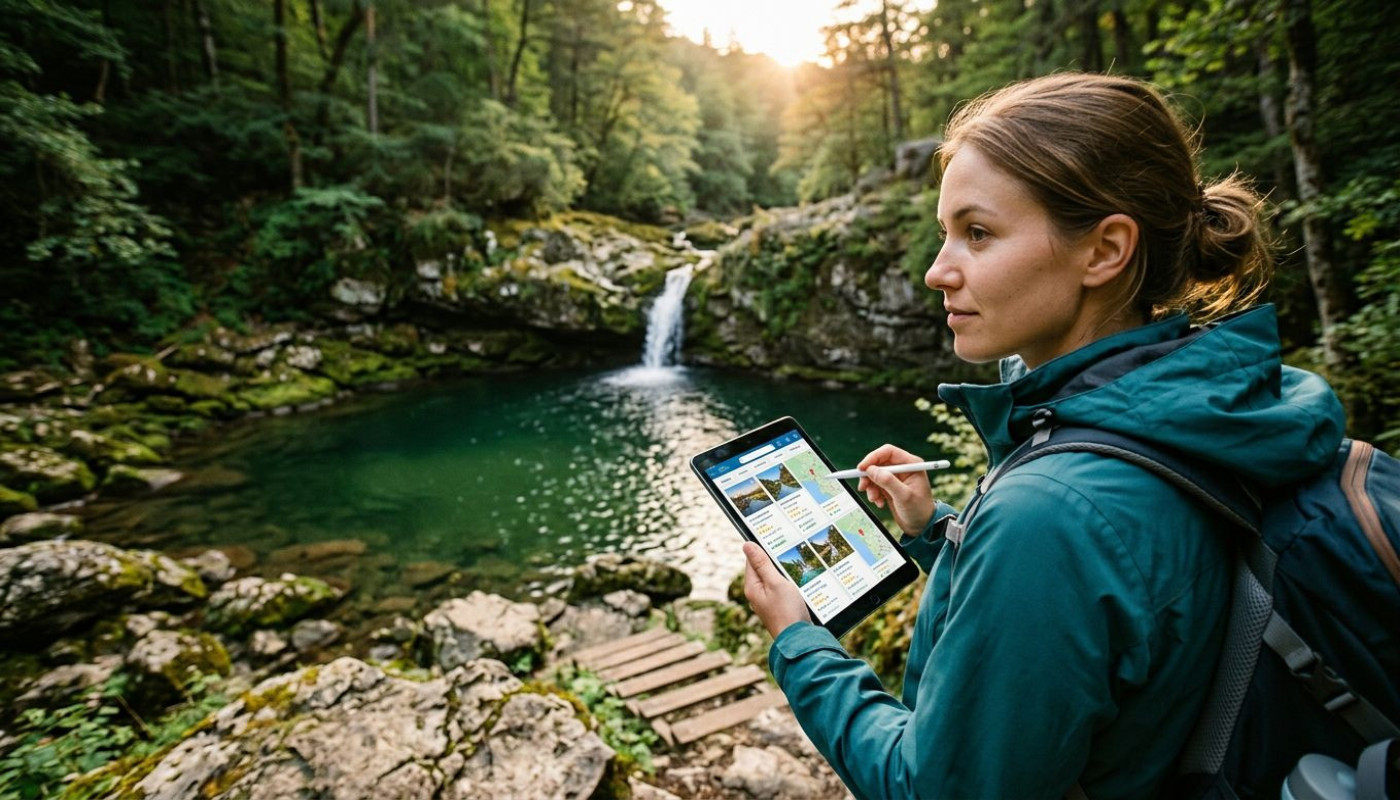
Integrating comparison platforms into a travel strategy allows for a hybrid exploration approach, where digital discovery complements personal experiences. Travelers can leverage these tools to identify accommodations, attractions, or dining options that align with their interests, then use personalized travel insights and intuition to venture off the beaten path. A seasoned travel strategist often recommends beginning with online platforms to get an overview of destinations, using map features and user reviews to shortlist appealing spots. Once on location, it is beneficial to keep plans flexible—allowing space for organic exploration, local recommendations, or serendipitous finds that may not surface in algorithm-driven suggestions.
For those seeking a richer journey, blending technology with in-person curiosity ensures a balance between efficiency and genuine discovery. Travel tips include setting aside unplanned time in itineraries, engaging with locals for suggestions, and using digital tools as dynamic guides rather than strict itineraries. This hybrid exploration method not only maximizes digital convenience but also encourages spontaneous encounters, resulting in a deeper, more personalized travel experience. By treating comparison tools as a supportive framework rather than a complete solution, travelers can unlock both popular highlights and hidden gems.
Similar

From Local Legends To Hidden Gems: Stories That Shape Unforgettable Journeys

Rediscovering Hidden Gems: Why Offbeat Destinations Steal The Show

Why Chasing Lesser-known Destinations Could Redefine Your Next Travel Story