Table of contents
Lost luggage, a sudden storm, a sprained ankle on a trail you thought was easy, seasoned adventure seekers have a blunt rule: the trip you plan is rarely the trip you get. With weather volatility rising in many regions, and travel disruption still a regular headline, packing has shifted from “what will I wear” to “what will keep me moving.” The smartest bags today are built around redundancy, resilience, and fast decisions.
Assume disruption, pack for movement
Pack like you will be forced to improvise. That mindset separates experienced hikers, bikepackers, and long-haul travelers from everyone else, because the “unexpected” is not a dramatic event, it is a chain of small failures that compounds, a delayed connection that steals your sleep, a wet day that soaks your only warm layer, a minor cut that gets dirty because your kit is buried at the bottom of the bag.
Start with mobility: what do you need to keep walking, thinking clearly, and staying warm? Veteran guides often build around a three-layer clothing system, a base layer that manages sweat, an insulating layer that still performs when damp, and a shell that stops wind and rain. The point is not fashion; it is thermoregulation, which is why merino or technical synthetics appear again and again in expedition packing lists, even for “light” adventures. In practice, this system also scales across climates, and it can be worn in combinations without forcing you to overpack.
Then, plan for the most common travel failures. Power and connectivity failures come first: a compact power bank, a short spare cable, and offline copies of key documents can save hours in a station or airport. Medical and hygiene issues come next: blister care, pain relief you know you tolerate, and a small antiseptic option weigh little and matter early, not late. Finally, cash and access: one backup payment method stored separately, plus a modest amount of local currency, can unlock taxis, food, or a night indoors when systems go down.
Seasoned travelers also build “grab-and-go” redundancy, because time is what you lose first. Keep one small pouch always reachable, holding essentials for the next six hours: water treatment or tablets if relevant, a snack that survives heat, a headlamp, and a thin warmth layer. This is not paranoia, it is pacing; if you can stay functional through the first turn of bad luck, you regain control of the day.
The 3-bag system veterans swear by
One bag is never just one bag. Ask people who spend weeks on the road, or who move through unpredictable weather, and you will hear the same principle dressed in different words: separate what must stay dry, what must stay accessible, and what can be buried. It is less about buying new gear than about imposing order on chaos, especially when you are repacking on a wet sidewalk or in a crowded dorm.
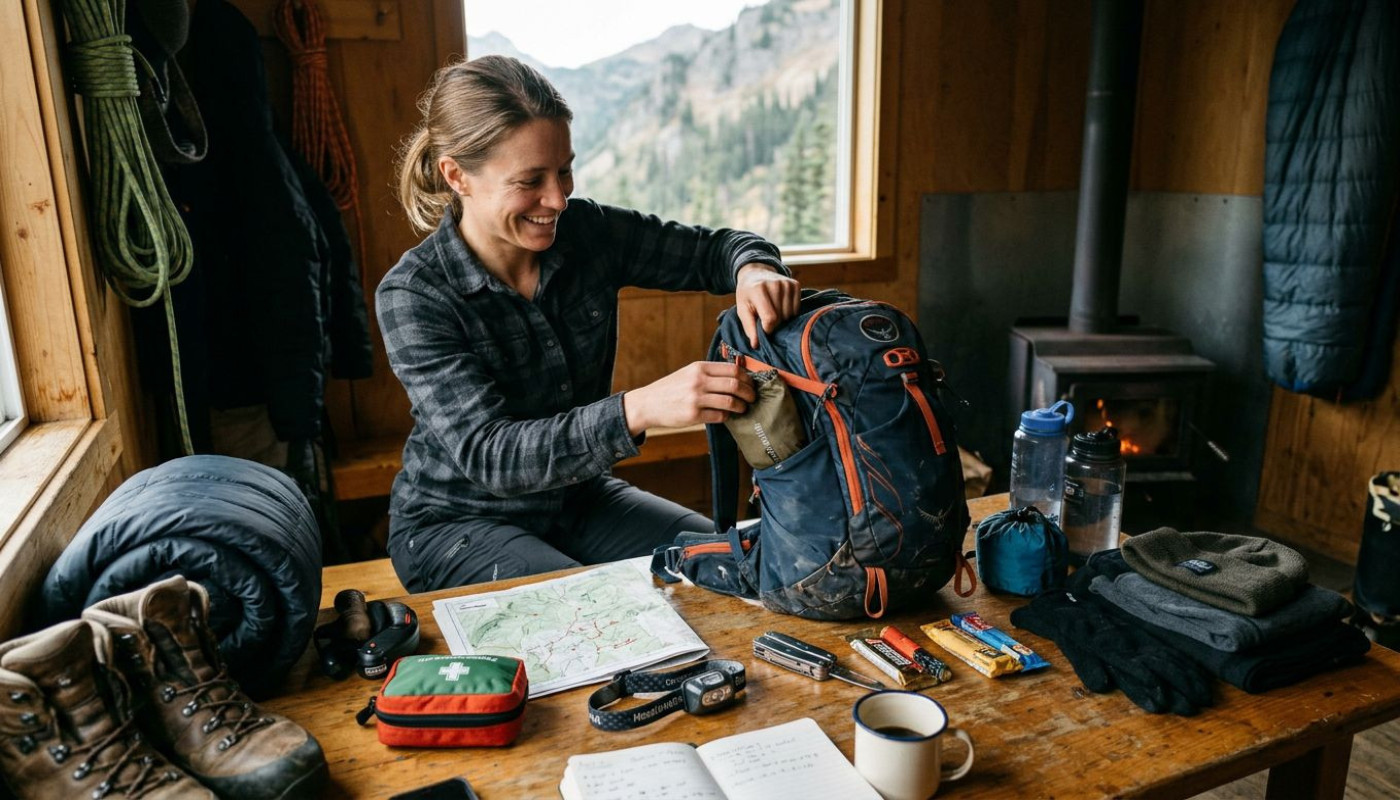
The easiest structure is a three-bag system inside your main pack. First, a waterproof “dry core” for critical items: spare base layer, insulation, sleep essentials, and anything electronic that would end the trip if soaked. Use a roll-top dry bag, or at least a reliable liner; experienced trekkers often treat this as non-negotiable, because rain covers can fail and bags can be set down in puddles. Second, an “access bag” for what you need while moving: snacks, gloves, meds, tissues, sunscreen, a map or phone mount, and whatever helps you regulate temperature. Third, a “dirty bag” for wet socks, muddy gear, and clothes that should not contaminate the rest; a simple plastic sack works, but a breathable laundry bag can reduce odor during longer trips.
This internal architecture also changes how you pack weight. Heavy items should sit close to your spine and mid-back, not swinging low or far from your center of gravity; that is how you protect knees and shoulders over long distances. Light but bulky items can fill the top and outer edges, while dense items like chargers, tools, and food should be stabilized. The result is not only comfort but safety, because fatigue makes people sloppy, and sloppy is when ankles roll and attention disappears at crossings.
On urban itineraries, the same logic applies in a different way. Keep a slim day sling or packable tote for the “in-transit kit” you cannot afford to check or lose, such as documents, medication, and a change of underwear. If you are traveling through places where weather can change within hours, treat that day bag as the platform for a light shell and a compact warmth layer. The best system is the one you can repack quickly, because the unexpected rarely gives you a clean room and plenty of time.
Small items that save big days
What’s the one thing you will wish you had? Often, it is not a tent or a fancy gadget, it is a small object that solves a problem before it becomes expensive, painful, or dangerous. Experienced adventure seekers talk about “day-savers,” lightweight items with outsized impact, and their lists are remarkably consistent across disciplines.
First, foot care. Blisters can end a hike, a city break, or a multi-day tour, and they escalate fast when your feet stay damp. Pack blister plasters, a small roll of tape you have tested on your skin, and one pair of socks reserved for sleeping or emergencies. Second, weather management. A compact headlamp beats a phone flashlight when darkness falls early, and a thin pair of liner gloves can turn a miserable, cold-wet evening into a manageable walk. Add a lightweight buff or scarf; it works as sun protection, warmth, sweat band, and emergency bandage.
Third, repair and improvisation. A few meters of duct tape wrapped around a card, a couple of zip ties, and a small sewing kit can patch torn straps, ripped jackets, and broken zippers. If you carry hydration gear or inflatable items, include the relevant patch kit. For people who spend time off-grid, a mini multitool and a basic fire-starting option can be reasonable, but the real key is restraint: choose items that solve frequent problems, not cinematic ones.
Fourth, water and food insurance. Dehydration and low blood sugar are stealthy; they make you irritable, careless, and slower to react. A collapsible bottle, purification tablets for remote days, and snacks that tolerate heat and handling help you keep moving when plans slip. Add electrolytes if you are heading into heat, and consider a small insulated layer for shoulder seasons. None of this is glamorous, yet it is exactly what lets you adapt when transport, weather, or timing turns against you.
Finally, information. Print or save offline the address of where you are staying, key contacts, and any transport confirmations. When networks fail, or when your battery drops, the old-school backup becomes the fastest path to a solution, and it also reduces the stress that leads to bad choices.
When the plan changes, local help matters
No kit replaces local knowledge. The most experienced travelers know when to stop relying on gear, and start relying on information: which neighborhood is best for a late arrival, which ferry company is actually running, which trail section becomes hazardous after rain, and where you can find a pharmacy when you need one now, not tomorrow. In a disruption, the difference between a long ordeal and a manageable detour is often a single, reliable recommendation.
That is why trip planning and on-the-ground logistics are increasingly intertwined. Travelers today routinely build flexible itineraries, leaving room for weather windows, strike days, and seasonal crowd surges, and they look for sources that consolidate essentials, lodging options, transport cues, and practical tips in one place. If you are heading to southern Italy, for example, having a dependable local guide to neighborhoods, day trips, and timing can reduce the friction that makes disruptions cascade, and a resource such as https://www.naples-trip.com can help you make faster decisions when you need to reroute on short notice.
The same principle applies to adventure travel beyond cities. A sudden heat spike might push you toward a shaded route, a high wind forecast might cancel a boat, and a trail closure can turn a simple day into a logistical puzzle. Local sources can tell you what is truly closed, what is “closed on paper,” and what alternatives are safe. They also help you spot the hidden constraints, such as limited weekend transport, last entry times for parks, or seasonal rules that affect access and cost.
In practical terms, treat planning as risk management. Identify the one or two points where your itinerary is fragile, such as a single connection that, if missed, destroys the next day, and build slack around them. Book accommodation with reasonable cancellation terms when possible, keep a shortlist of backup stays, and learn the local rhythm for meals and late arrivals so you are not stranded hungry. Packing for the unexpected is not only about what is in your bag, it is about how quickly you can pivot when the day stops cooperating.
How to budget, book, and stay flexible
Reserve key nights early in peak periods, set a buffer for last-minute transport, and keep funds for one “problem-solving” night indoors if weather turns. Budget for small replacements you may need on the road, and check whether your insurance covers delays or medical care. When planning, prioritize flexible bookings, and keep essential addresses and confirmations available offline.
Similar
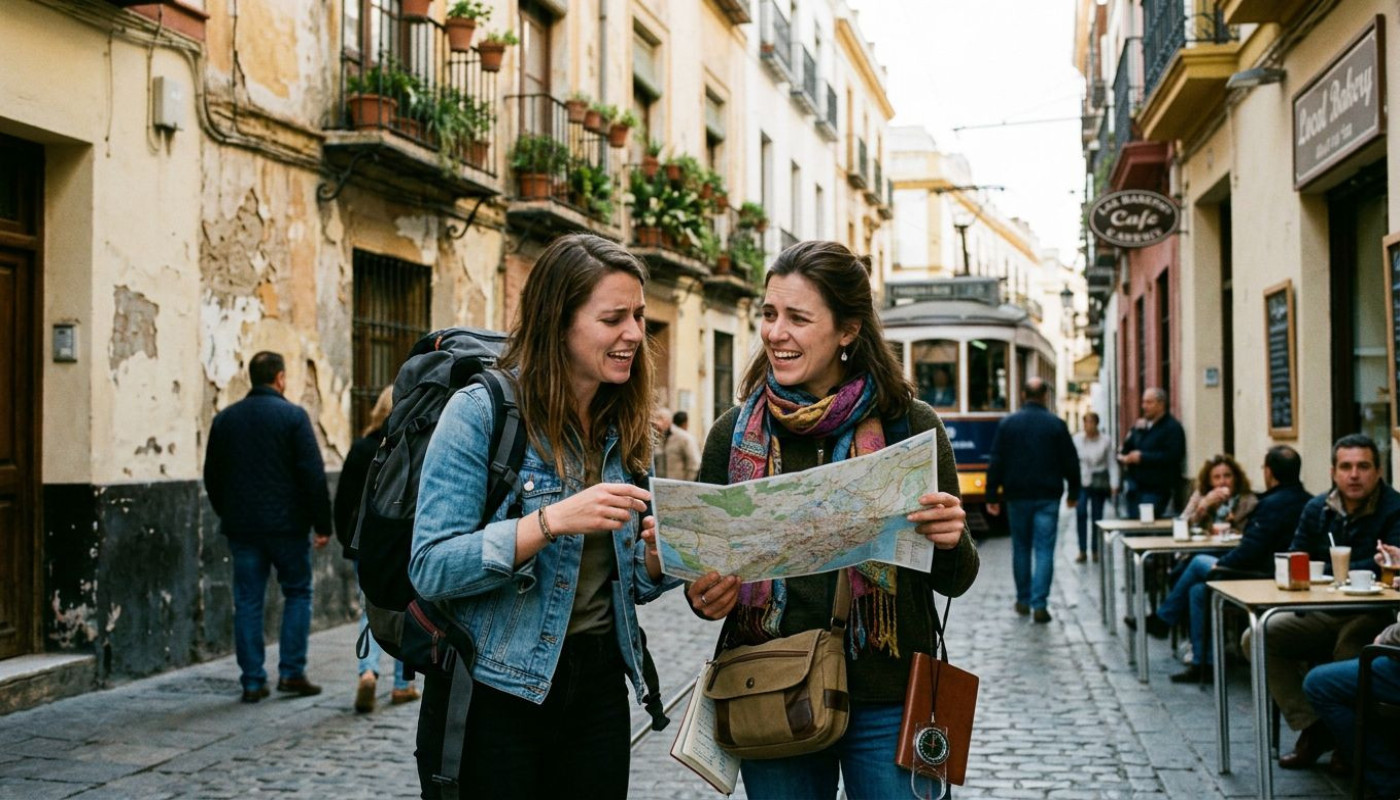
Travel Myths Debunked: Separating Wishful Thinking From Real-world Advice

How Local Stories Reshape The Way We Plan Our Journey Guides

The Best Tourist Sites in Thailand

Discovering a country in West Africa: Côte d'Ivoire

What to discover in Nice?

Japan's Best Sights
